Hublot explores new frontiers beyond watchmaking
Published on 07.27.2026 • 3 MINUTES- Watches & Jewelry

Understanding time has always been about more than measuring it. For more than a decade, Hublot has supported research at the Antikythera shipwreck off the coast of Greece, where the remains of a 2,000-year-old mechanism, widely regarded as the world's first astronomical computer, were discovered. The expedition brings together archaeologists, divers and engineers in a shared effort to uncover the secrets of one of antiquity's most extraordinary discoveries.
Through its Hublot Xplorations program, the Maison brings its engineering expertise to the mission in an unexpected way. Its teams develop underwater drones and detection technologies that help map the seabed, identify buried artifacts and support researchers as they continue their exploration of the site. It is a different expression of Hublot's spirit of innovation, putting technology at the service of archaeological research.
The expedition is now the subject of a documentary created with Swiss content creator Anil Brancaleoni. Filmed over eighteen days alongside the research team, it offers a rare look inside the mission, capturing life on this remote island and the collaboration between ancient heritage, cutting-edge technology and modern exploration.
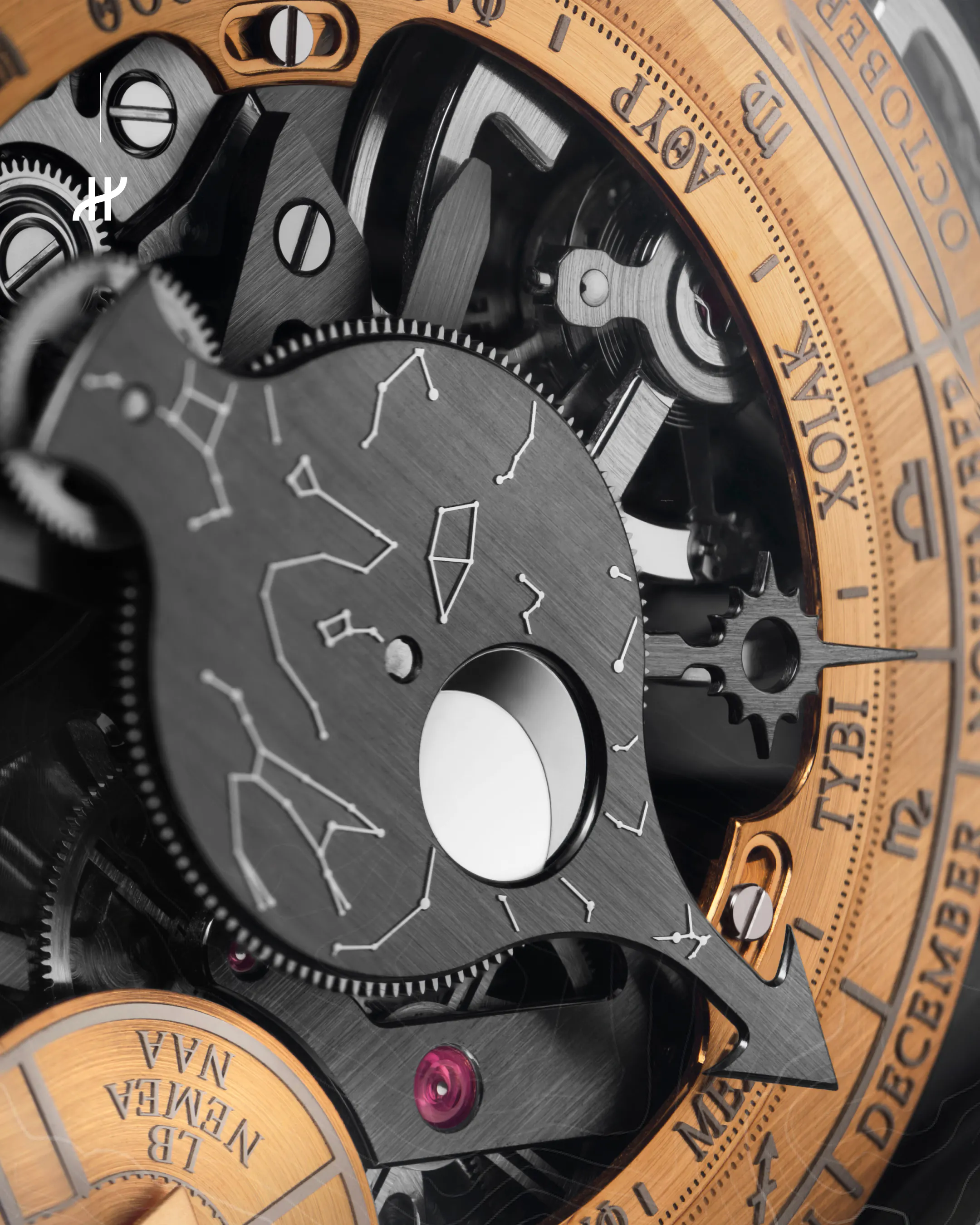
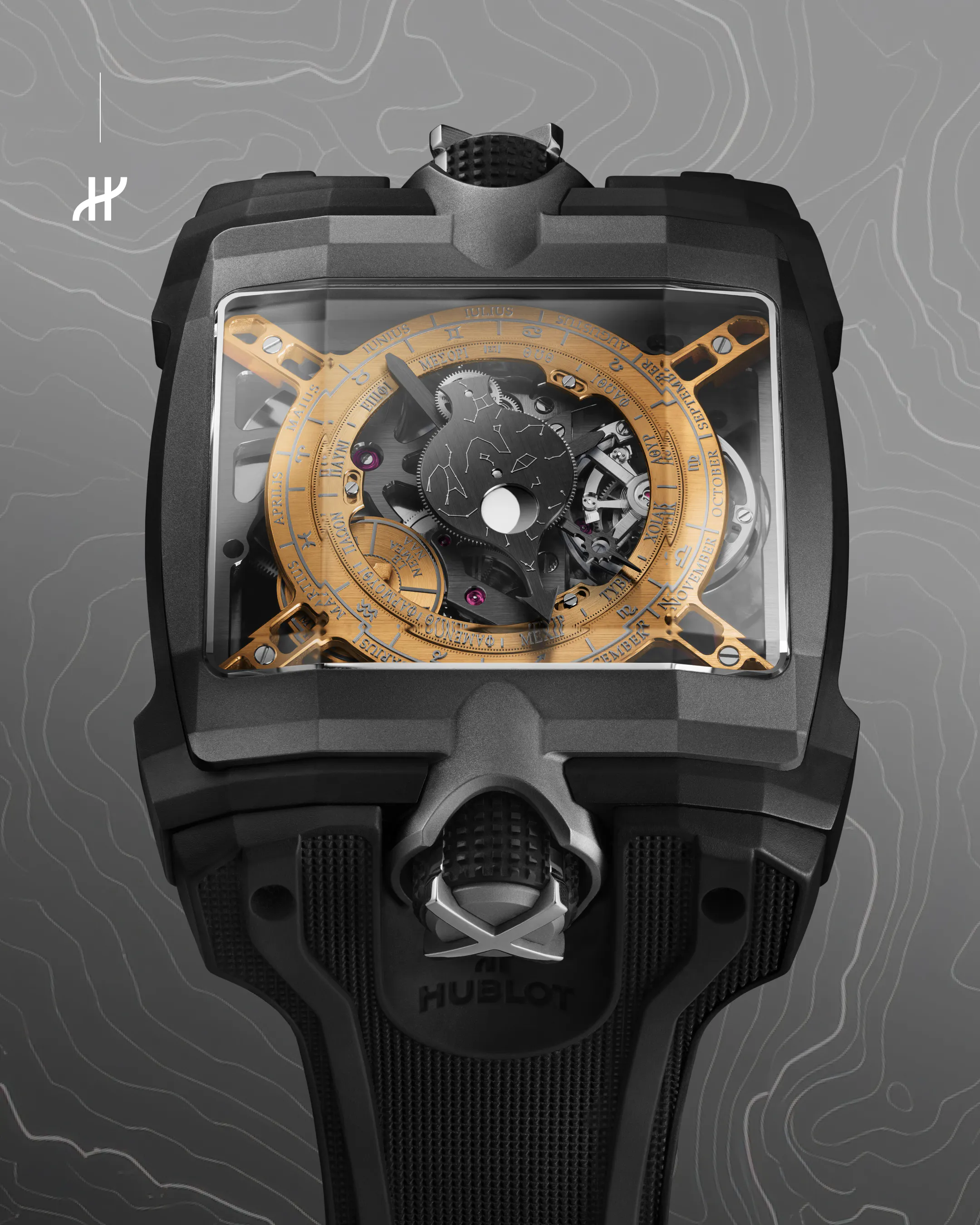
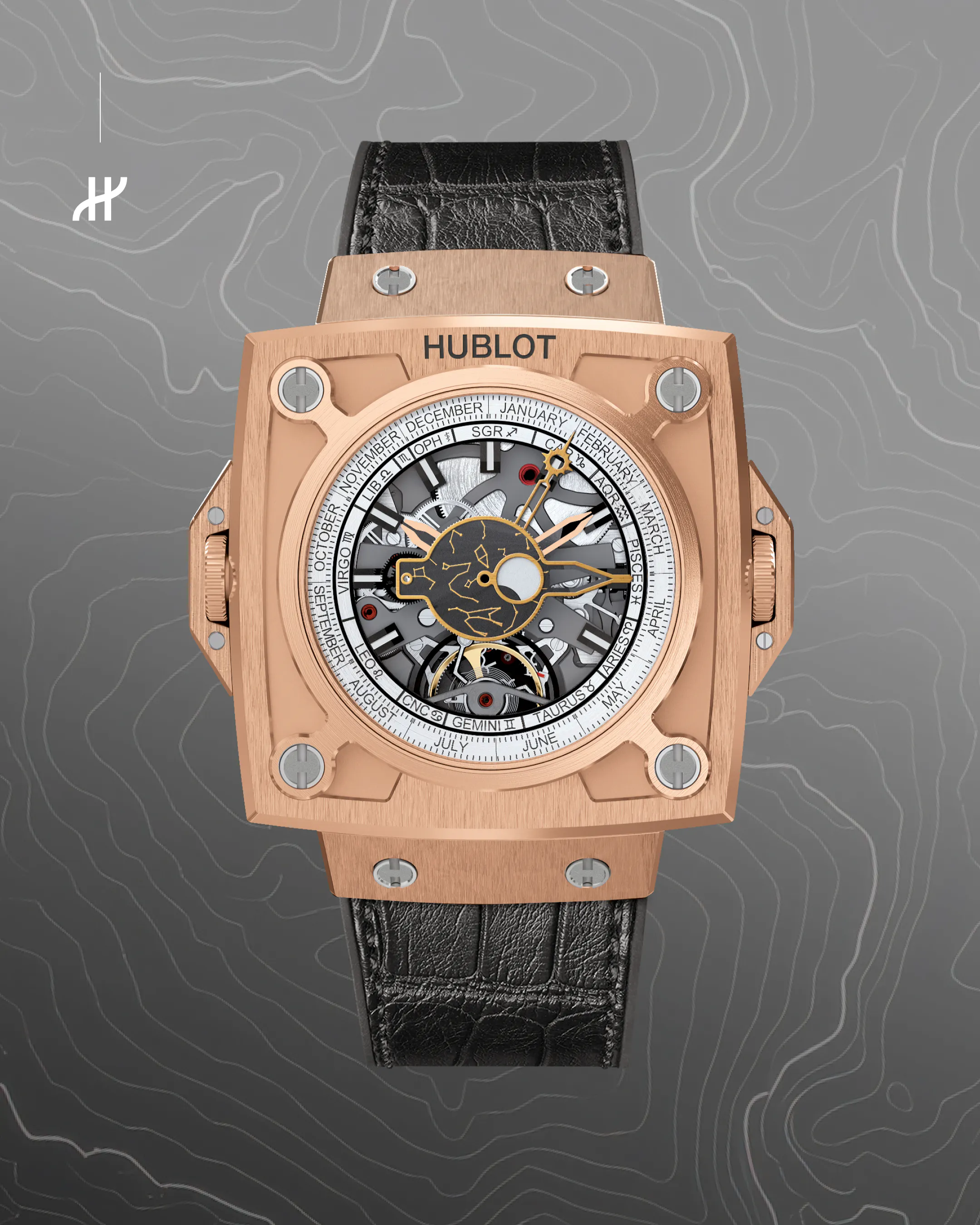
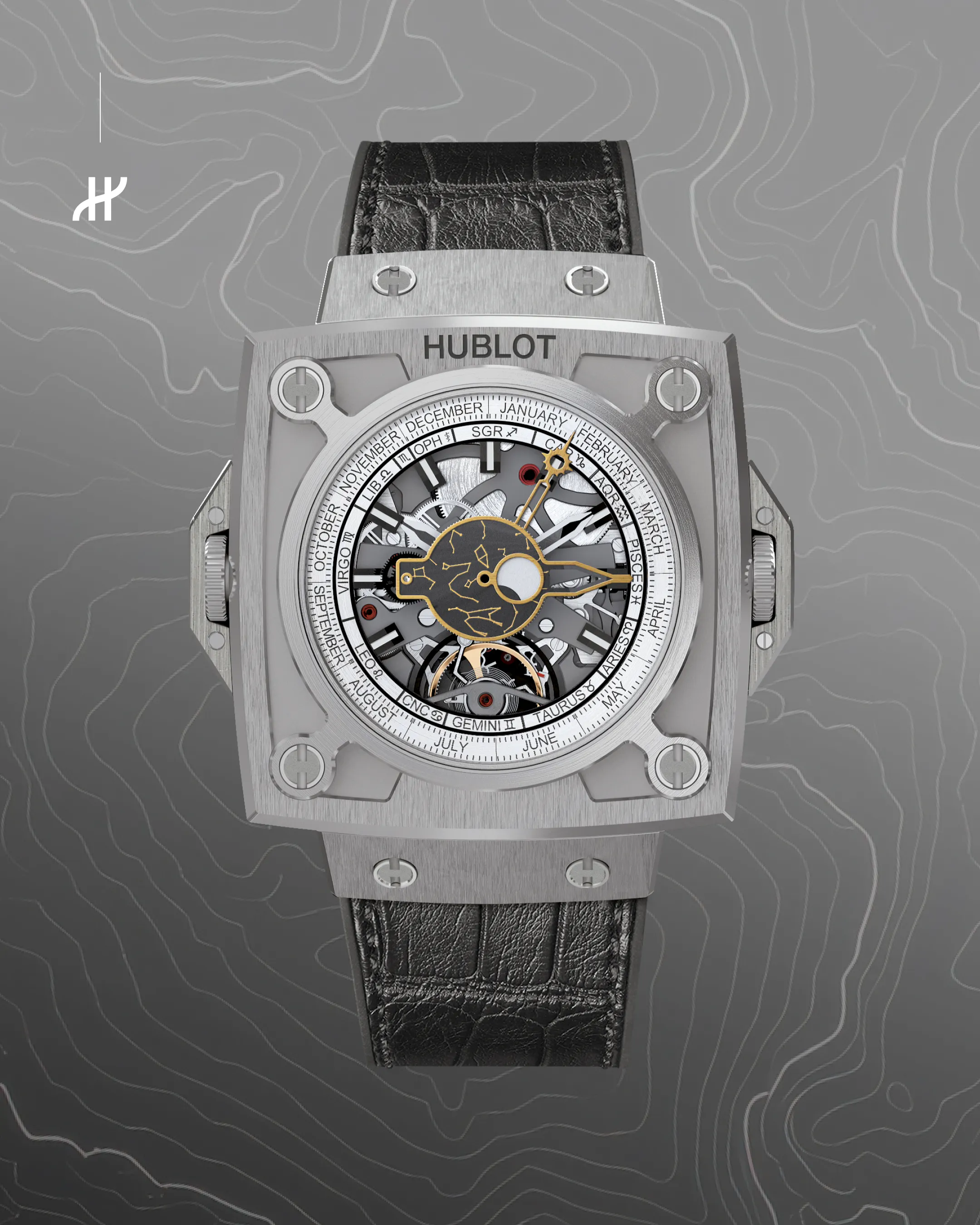
Hublot's connection to Antikythera goes back many years. In 2012, the Maison drew inspiration from the famous mechanism to create a timepiece capable of reproducing its astronomical functions, before unveiling the Antikythera SunMoon the following year. Today, that relationship has evolved beyond watchmaking. More than a tribute to an extraordinary invention, Hublot is now helping advance the research into one of history's most remarkable technological achievements.