LVMH makes sustainability and desirability rhyme at the World Impact Summit and Good Forum Luxe 2026
Published on 02.10.2026 • 2 MINUTES- LVMH
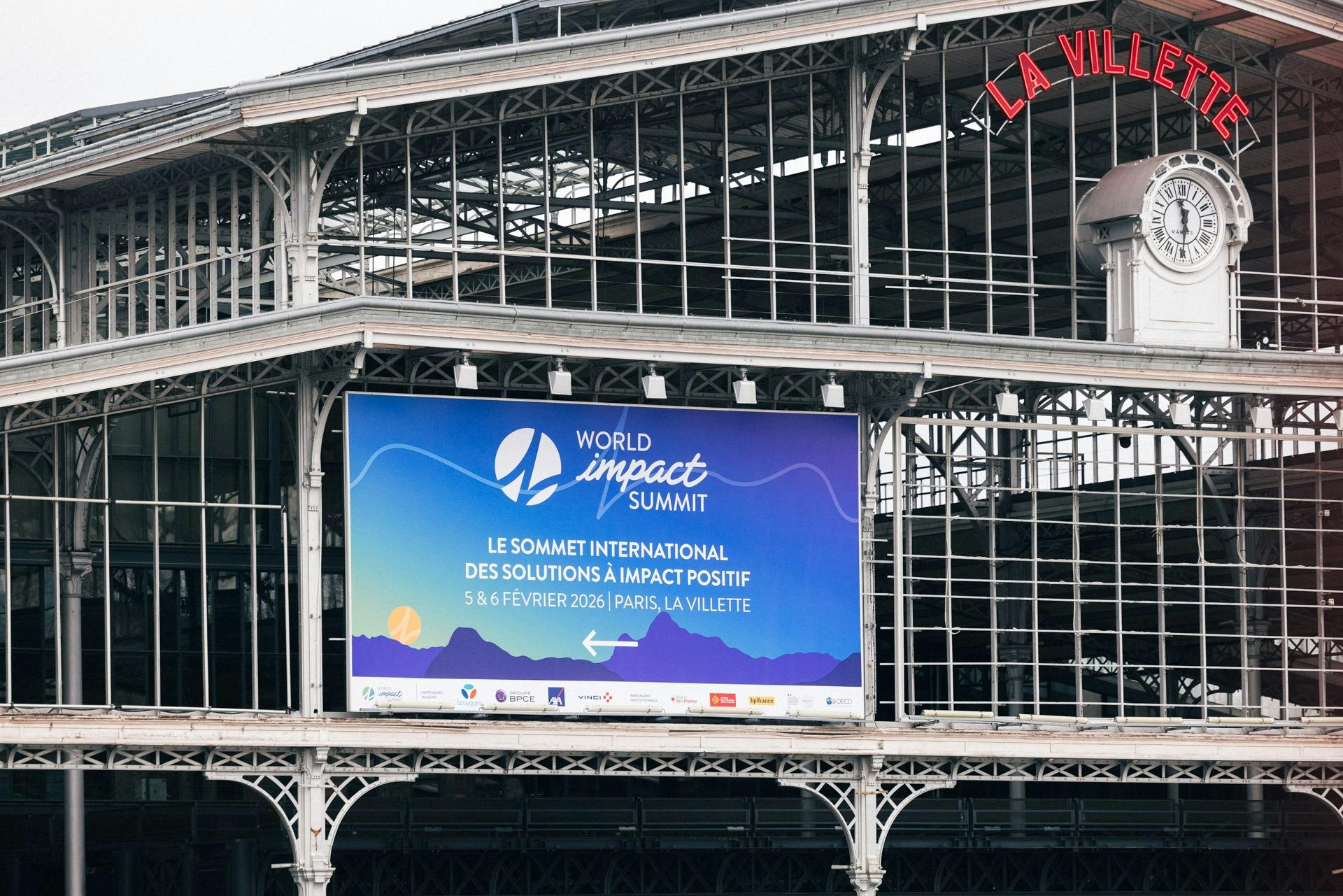
On February 5, 2026, LVMH took part in the World Impact Summit and the Good Forum Luxe 2026. Held in Paris, these two major events brought together leaders and key players in sustainable transformation.
Led in particular by Hélène Valade, they are part of the rollout of LIFE 360, the Group’s environmental program (LVMH Initiatives For the Environment) structured around five pillars – Creative Circularity, Traceability and Transparency, Biodiversity, Climate, Stakeholders – and illustrate how LVMH transforms the sustainability challenge into a source of desirability and innovation.
Transforming behaviors
Making sustainability a spontaneous and attractive choice rather than a compromise. While environmental awareness is growing, the lasting transformation of behaviors remains the major challenge. Making responsible practices not only acceptable, but desirable, ensuring that sustainability becomes a cultural reflex rather than a constraint: it is around these imperatives that LVMH’s interventions were structured.
Concrete levers to make sustainability desirable
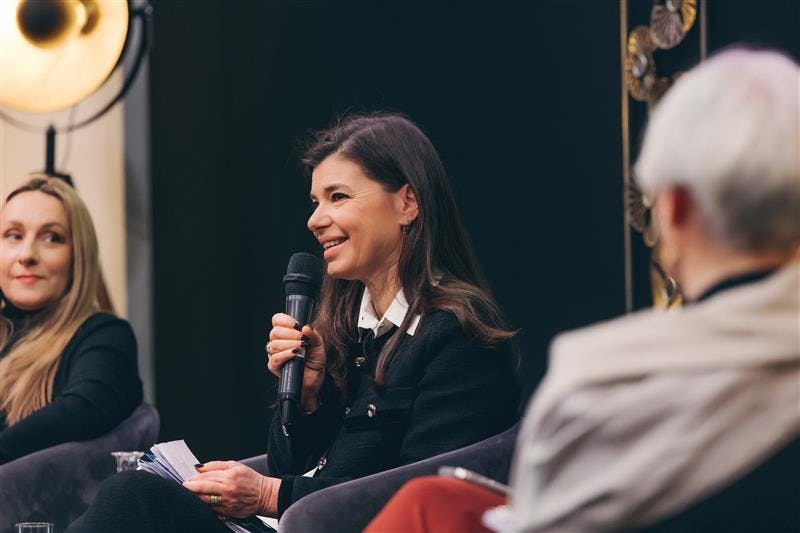
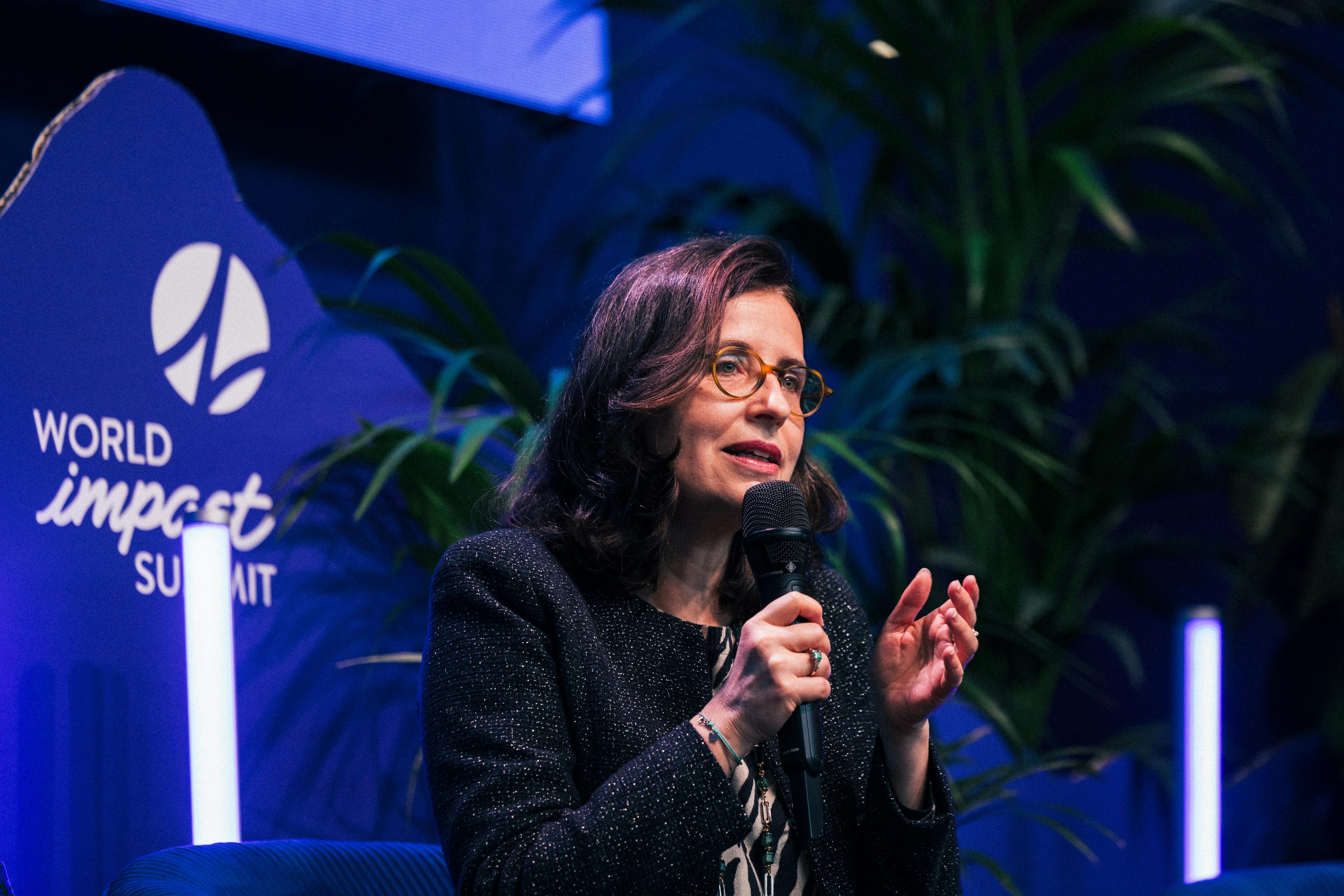
At the World Impact Summit, Hélène Valade, Environmental Development Director, LVMH, took part in the roundtable « When sustainability becomes desirable: strategies, design and narratives that transform », alongside Barbara Bressand Sussfeld (L’Oréal), Andrée-Anne Lemieux (Institut Français de la Mode) and Luciana Brafman (Time to Act). The discussions highlighted the levers that make it possible to transform sustainability into a reflex: the concept of emotional sustainability, which creates attachment to extend the use of products, creativity under environmental constraints as a source of innovation, cooperation between brands, Maisons and suppliers to accelerate transformation, and the essential role of education in changing behaviors.
« The sustainable transformation of luxury operates both through the anchoring in the heritage values of the brands and through the creation of new desirable imaginaries. Our responsibility, as a sector leader, is to demonstrate that sustainability and attractiveness are not opposed: they feed each other. Environmental constraints become a creative lever when given the means to express themselves through innovation, design, regenerative materials and circular models. But we cannot do it alone: that is why cooperation between Maisons, suppliers and institutions is now essential to collectively advance practices across the entire value chain », says Hélène Valade, Environmental Development Director, LVMH.
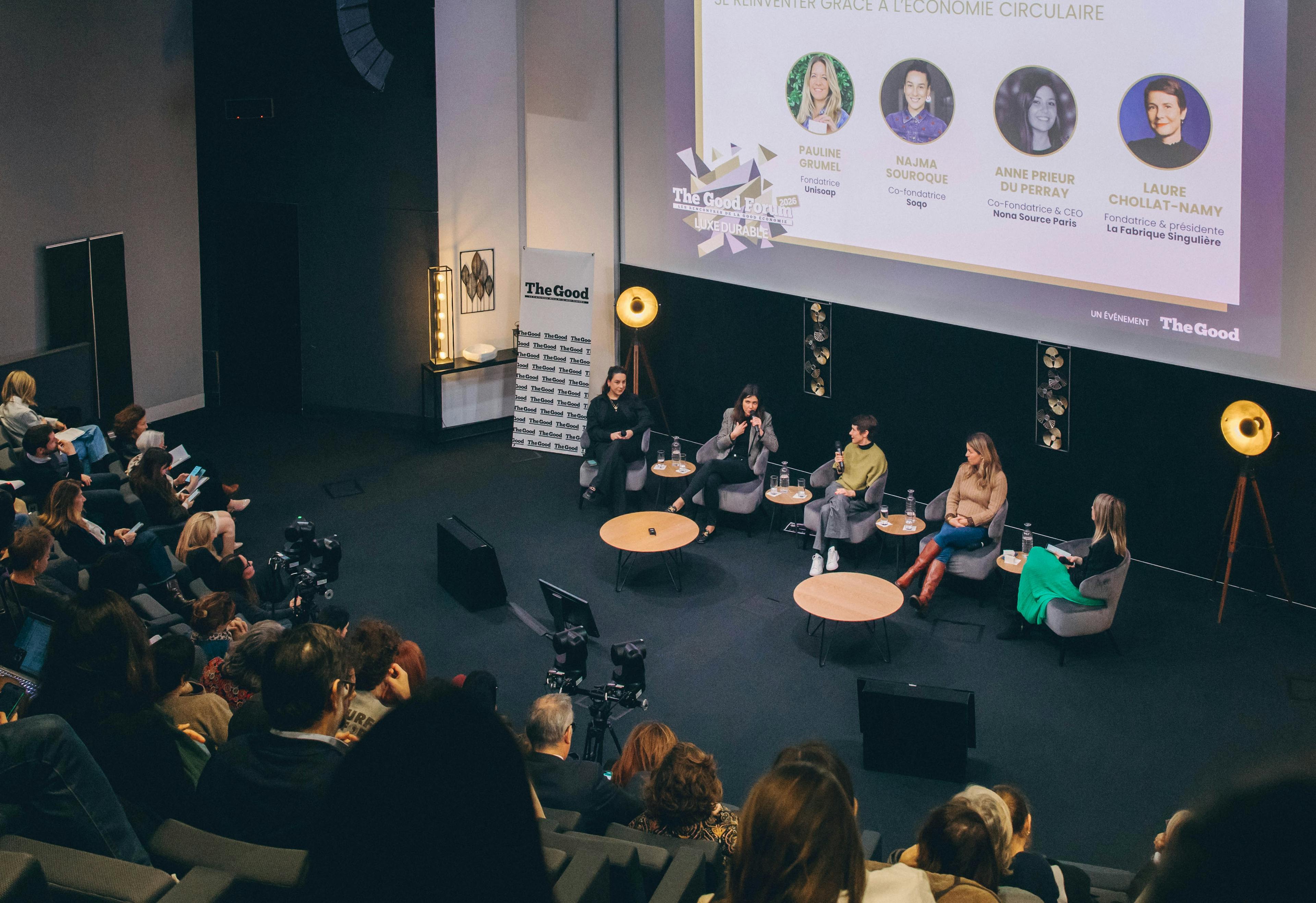
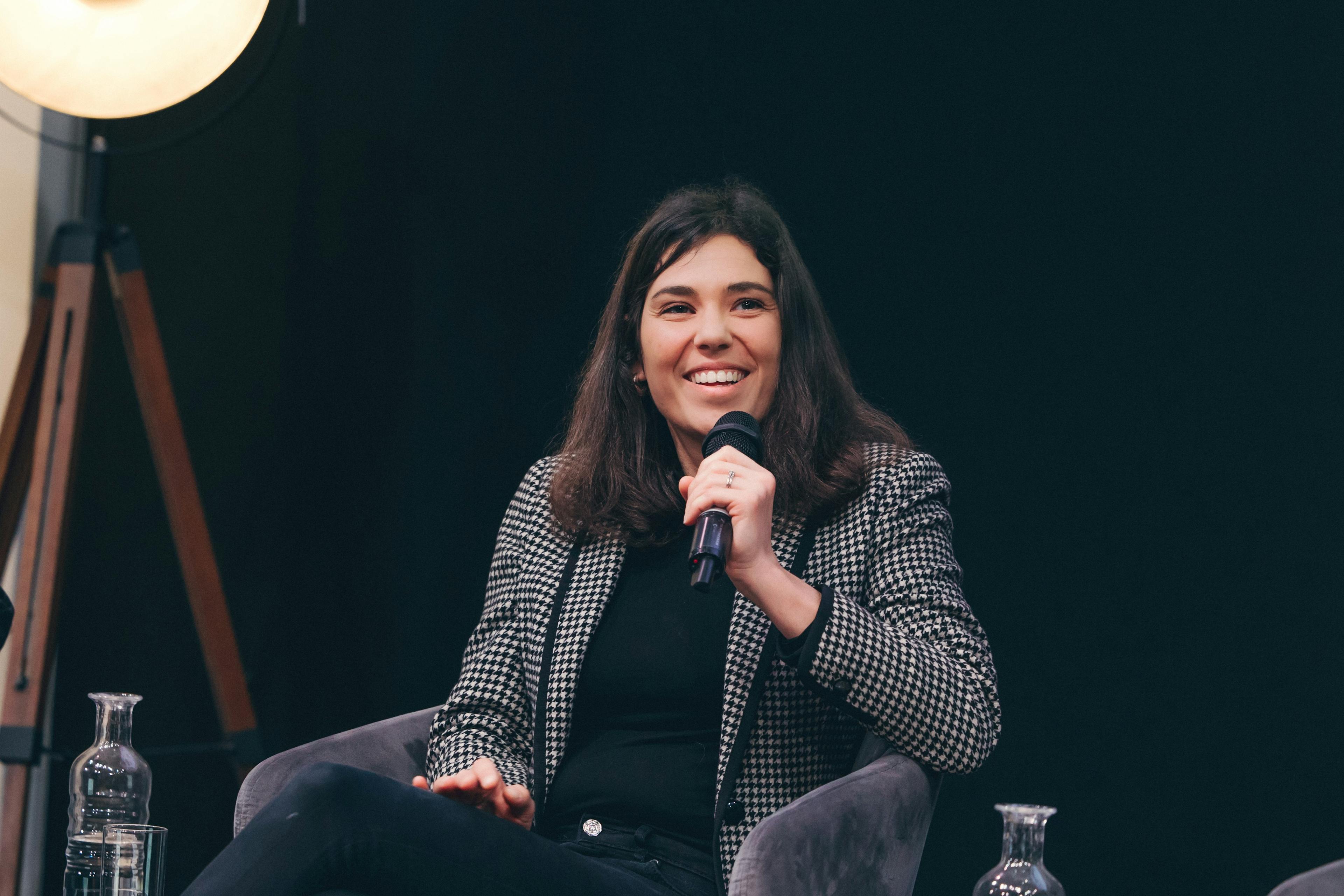
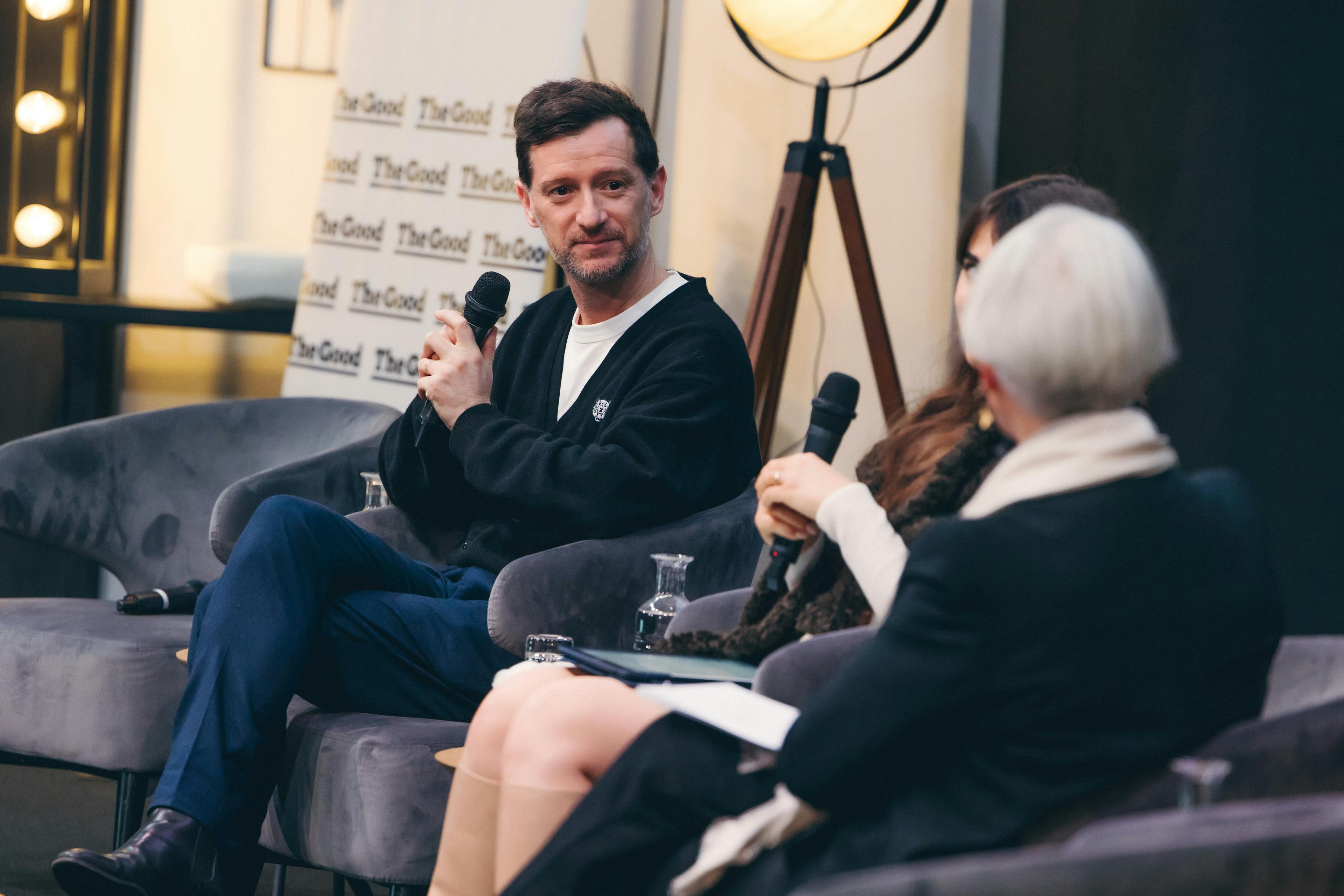
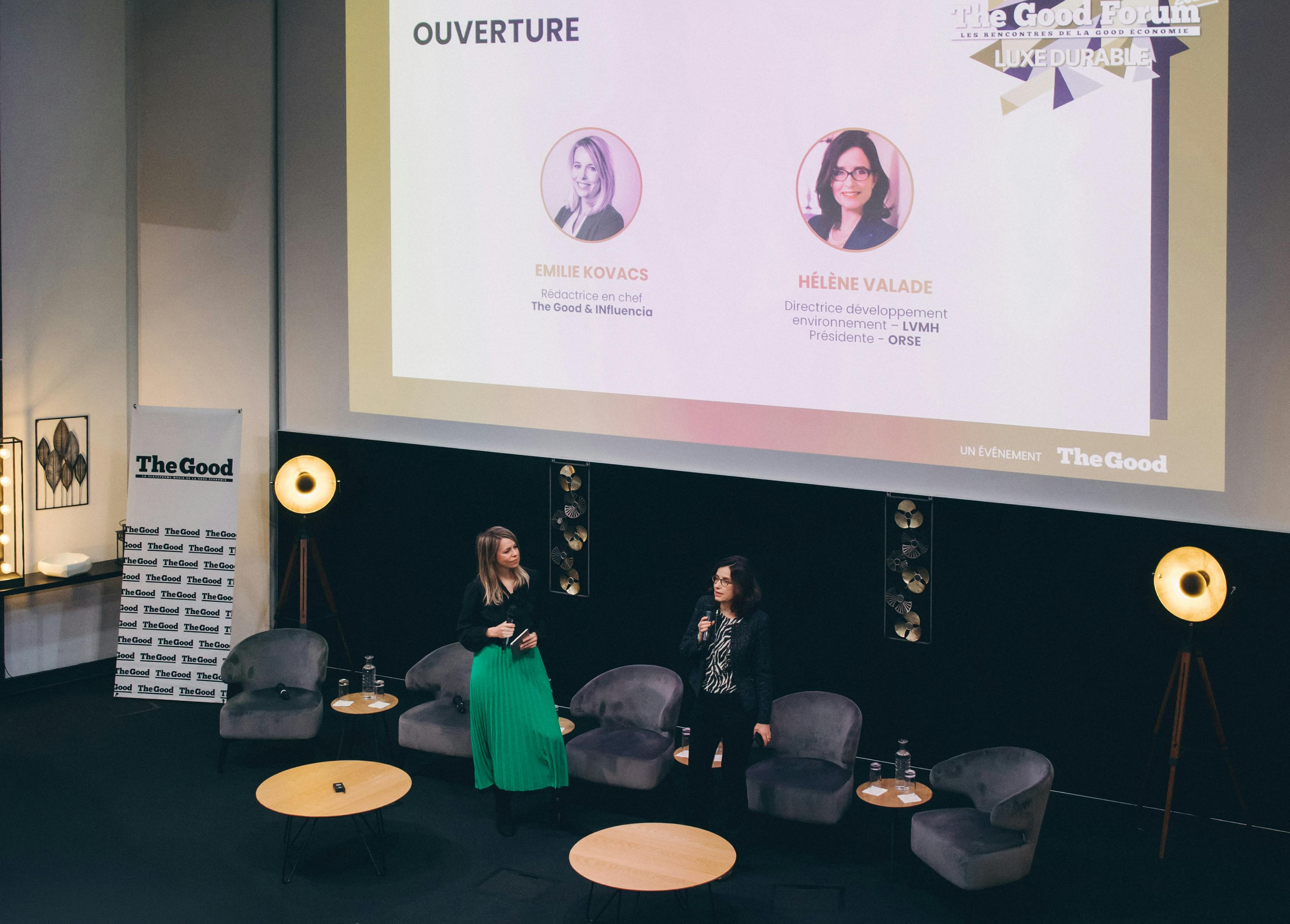
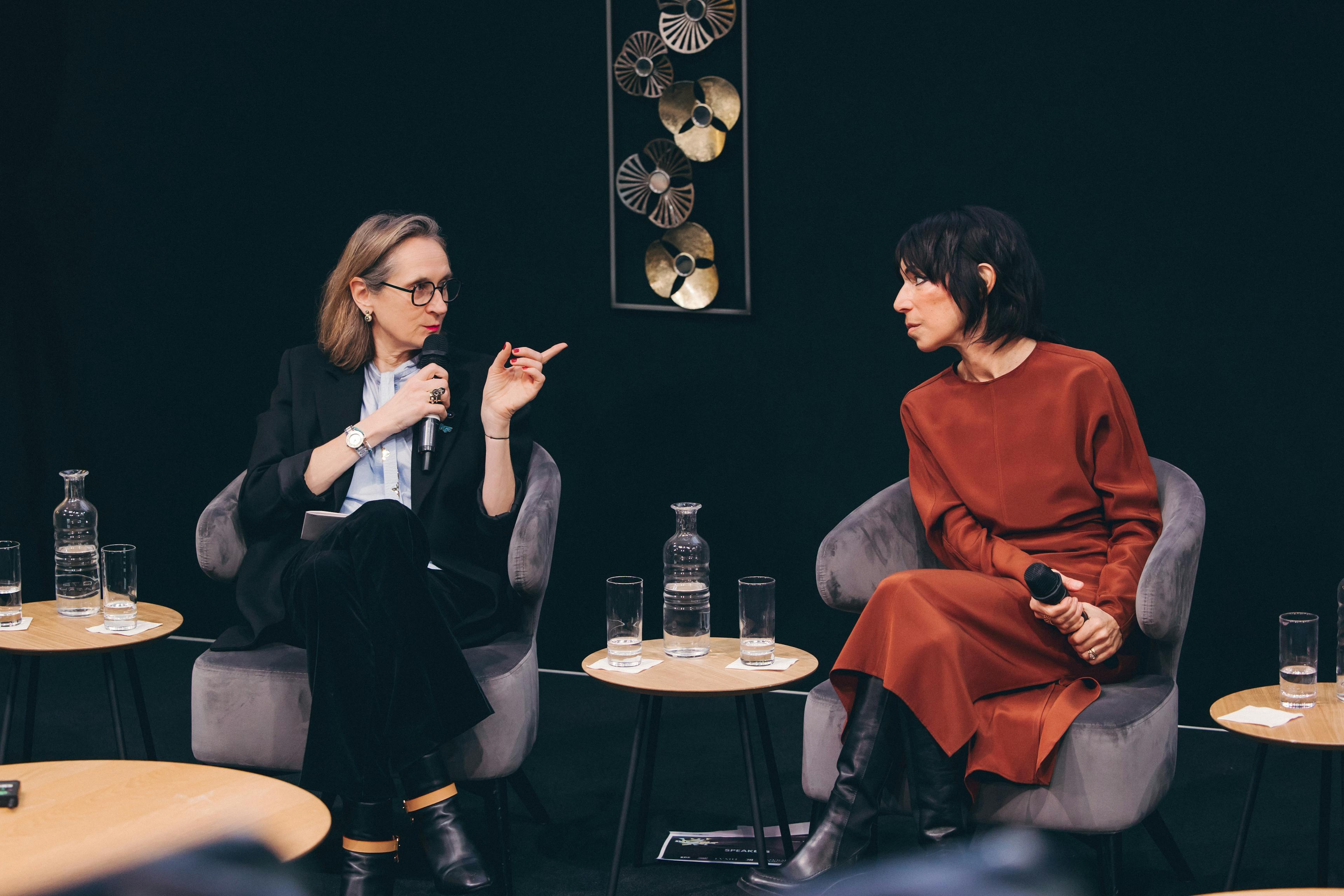
In parallel, at the Good Forum Luxe held under the theme « Regenerating for Greater Longevity », the Group demonstrated the concrete application of these principles through five major presentations. Hélène Valade opened the discussions by positioning luxury at the intersection of creation and awareness, while Armel Yver (Global Sustainability Integration Director at LVMH Fragrance Brands) detailed how to regenerate creation through the use of natural regenerative raw materials. The emblematic example: since 2023, Kenzo Parfums has established progress contracts with its suppliers to financially support their transition to regenerative agriculture, an approach that directly aligns with the Biodiversity pillar of LIFE 360. The fragrances use 100% alcohol derived from beets grown in France in fields transitioning to regenerative agriculture.
Christelle Capdupuy (Chief Sustainability Officer, Louis Vuitton) explored the new narratives around regeneration, with a particular focus on Asia and the evolution of customer expectations in the face of environmental challenges. Stores must become hybrid spaces combining art, culture, experience and technology, as Louis Vuitton did in Shanghai in 2025. Louis Vuitton also draws inspiration from Asian culture for its collections, collaborating with artists such as Yayoi Kusama and Murakami, and is committed to co-creation as aMaison of Culture.
Sandrine Sommer (Chief Sustainability Officer, Moët Hennessy) continued on the societal responsibilities of luxury, including the preservation of terroirs and engagement with local communities. Anne Prieur Du Perray (co-founder and co-director of Nona Source) presented Nona Source’s solutions, the first online resale platform for exceptional materials from LVMH’s Fashion & Leather Goods Maisons launched in 2021, which embodies the Creative Circularity pillar of LIFE 360 by giving them a second creative life.
This approach with Nona Source illustrates the emergence of unprecedented initiatives, where creativity is fully nourished by the valorization of existing resources.
Upcycling as a creative embodiment with LVMH’s deadstocks
This vision materialized on the Fashion Week runways, on Thursday, January 29, with Kevin Germanier’s Spring-Summer 2026 Haute Couture collection, a striking demonstration that the upcycling of materials can fully align with the codes of traditional Haute Couture. Each creation perfectly illustrating how upcycling becomes a source of aesthetic innovation and maximum desirability, while drastically reducing the environmental footprint. Far from being a compromise, it is a deliberate creative choice that meets the expectations of a clientele increasingly aware of the origin and impact of its acquisitions.